
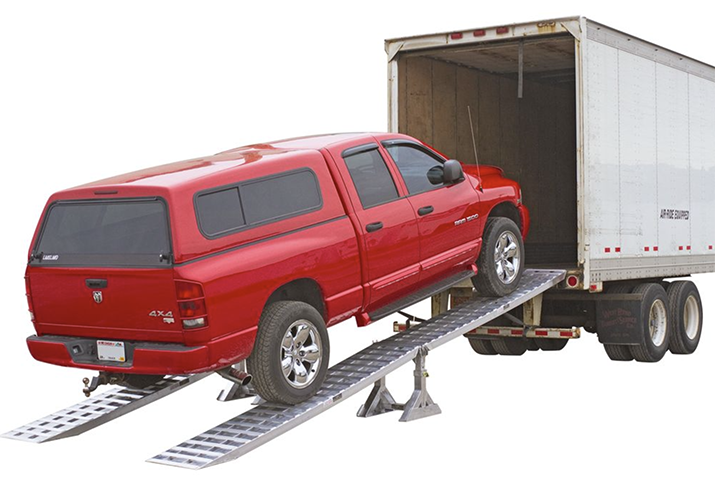
Heavy Duty Ramps: American Made Aluminum Ramps Built in Wisconsin
There is a special kind of nervous energy that fills the air when somebody tries to load a piece of heavy equipment onto a trailer with a couple of sketchy boards and a lot of hope. You have seen it. Maybe you have lived it. That moment when the tires hit the ramp and everybody holds their breath. This is exactly the problem Heavy Duty Ramps set out to solve, and they did it the right way: with real engineering, real aluminum, and a factory floor right here in the United States.
Made in the USA, and Proud to Say It
Let us get the most important part out of the way first, because it is the whole reason we are here. Heavy Duty Ramps is based in Wisconsin, and they stamp "Made in the USA" all over their products and their website for a reason. They are not shy about it, and they should not be. In a category where it would be dead simple to slap a logo on something poured overseas and call it a day, they chose to build in America instead.
That decision shows up in the product. When a ramp is engineered and manufactured domestically, you get tighter quality control, faster support, and a company that actually stands behind the thing holding up your two-ton skid steer. That is not marketing fluff. That is the difference between a ramp you trust and a ramp you pray to.
Aluminum That Will Not Let You Down
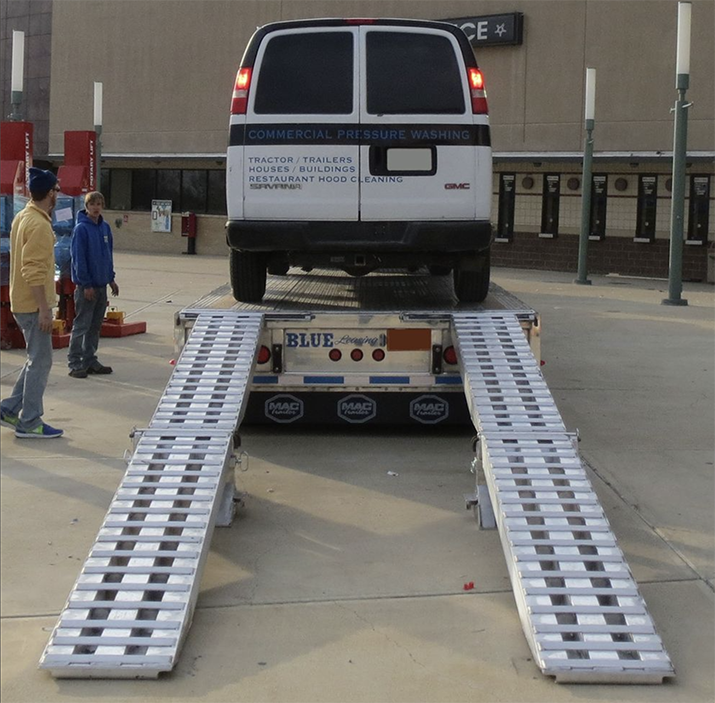
Here is where the nerdy stuff gets genuinely cool. Almost everything Heavy Duty Ramps builds is made from lightweight aluminum alloy, and that choice pays off in three big ways.
First, aluminum will never rust. Leave a steel ramp out in the Wisconsin weather for a few seasons and watch it turn into a science experiment. Aluminum shrugs the elements off and keeps working. Second, it is light. A ramp you can actually pick up, reposition, and load into your truck without recruiting your neighbor and throwing out your back is a ramp you will actually use. Third, and this is the part people underestimate, aluminum can be engineered into shapes that are ridiculously strong for their weight.
That last point is the secret sauce. The company uses a patented extruded aluminum truss design, which is a fancy way of saying they build their ramps like little bridges. The truss spreads the load so a ramp that you can carry with one hand can still hold up equipment weighing several tons. Light in your hands, monster under a load. That is good engineering, and it happens because they have an in-house team that actually knows what it is doing.
A Ramp for Just About Everything
The lineup at Heavy Duty Ramps is deep, and it covers pretty much anybody who needs to get something up, over, or onto something else.
Weekend wrenchers and gearheads get auto and service ramps for working under the car in the driveway. Landscapers and homeowners get lawn and garden ramps for loading mowers and equipment onto trailers. Trucking and freight folks get the heavy stuff: yard ramps for the warehouse, dock and container ramps, step deck load levelers, dunnage racks, flatbed ramp kits, and trailer ladders. There are even specialty pieces like bus inspection ramps and RGN ramps for the serious equipment haulers.
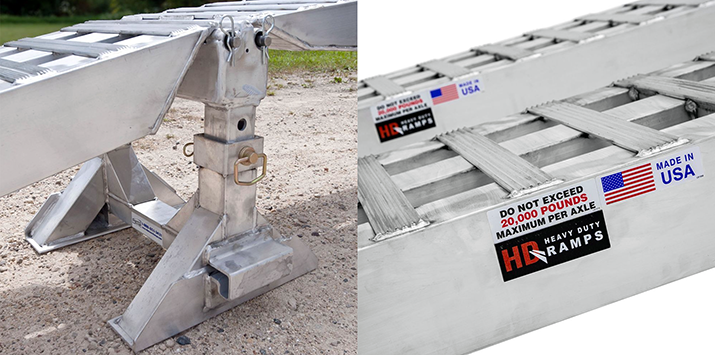
The range on weight capacity tells the story better than anything. On the lighter end you have got car trailer ramps rated around 2,500 pounds per axle. On the heavy end, their equipment ramps are rated up to a jaw-dropping 23,500 pounds per axle. That is not a typo. That is the kind of number that lets a contractor drive a full-size machine up a set of aluminum ramps and never blink.
Engineering That Puts Safety First
The thing that separates a good ramp company from a great one is what happens when the standard catalog does not fit your problem. Heavy Duty Ramps keeps an in-house engineering team on hand precisely for those situations, and they have real experience building custom solutions for oddball loading, hauling, and transportation challenges.
That matters because loading heavy stuff is genuinely dangerous work. A ramp that flexes too much, slips at the wrong moment, or was never rated for the weight in the first place is how people get hurt and how expensive equipment ends up on its side. The company frames its entire mission around helping customers "solve loading, hauling or transportation challenges safely," and when you look at the traction surfaces, the load ratings, and the truss construction, you can see they actually mean it. Safety is not an afterthought bolted on at the end. It is baked into the design from the first sketch.
Built for People Who Actually Work
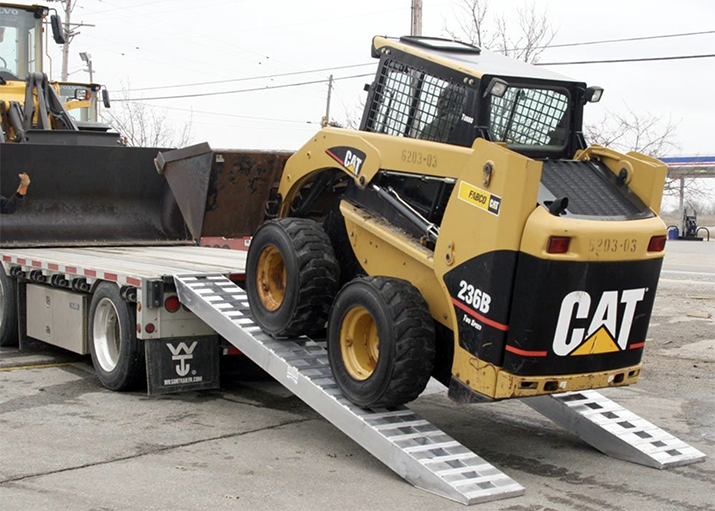
What makes Heavy Duty Ramps easy to root for is that the whole operation is aimed squarely at people who use their gear hard. This is not decorative equipment. These are tools that go to the job site, ride in the truck, sit in the warehouse, and get abused day after day, and they are expected to just work.
You also get the little advantages that come from buying from an American manufacturer with a full product assortment under one roof. Need a ramp, plus the accessories, plus a tool cabinet to go with it? They have got the parts and pieces to round out the whole setup, so you are not chasing five different vendors to solve one loading headache.
The Bottom Line
The next time you are staring at a trailer wondering how on earth you are going to get a machine loaded without somebody getting hurt or something getting wrecked, remember there is a company in Wisconsin that has already thought about your problem harder than you have. They engineered the answer, built it out of rust-proof aluminum, rated it for the real world, and stamped it "Made in the USA" on the way out the door.
If you load, haul, or move heavy things and you are tired of white-knuckling it, go see what the crew is building over at Heavy Duty Ramps.